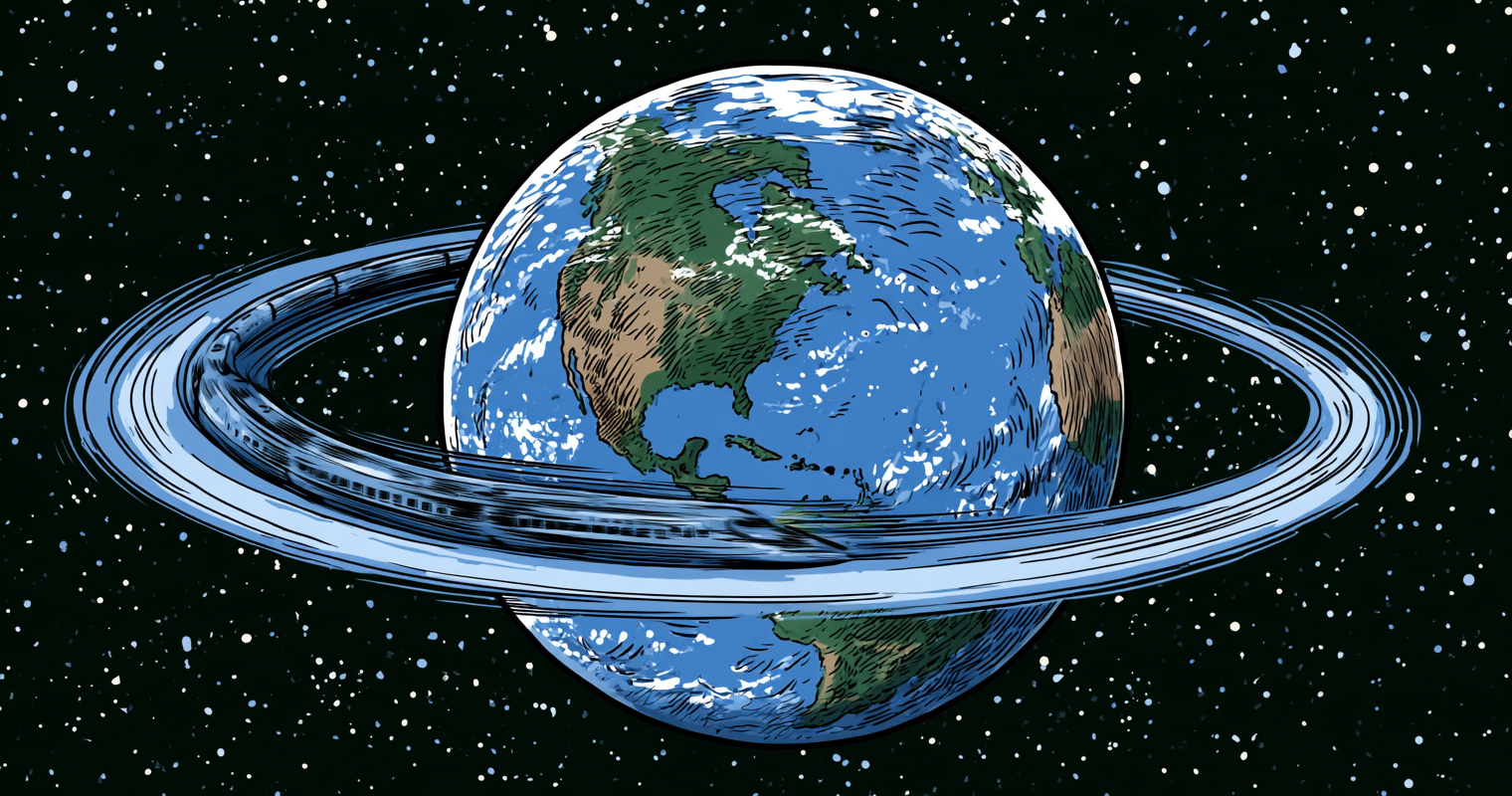
Boring Transportation
Only one form of transportation has felt futuristic for decades… like a mirage always on the horizon. Never close,...



The SAG-AFTRA strike – partially fueled by fears of AI stealing jobs from writers and actors – may carve out some concessions from Hollywood… but it will only delay the inevitable. Entertainment as we know it is on the verge of changing forever.
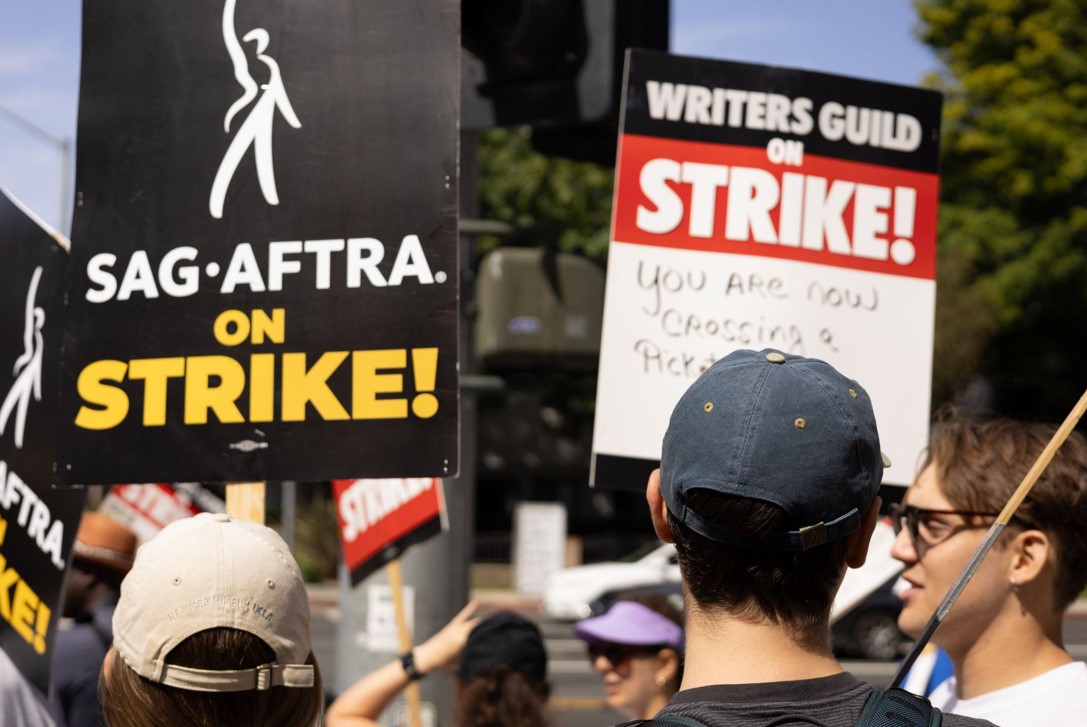
“[A]rtificial intelligence poses an existential threat to creative professions…”
That’s what Fran Drescher, president of the Screen Actors Guild-American Federation of Television and Radio Artists (SAG-AFTRA), had to say earlier this month.
By now, readers are likely aware of an ongoing strike among Hollywood writers and actors. The standoff is now in its 90th day.
At the heart of the negotiations is pay and royalty structures in an age of streaming. But another important topic is job security in the age of AI.
One of the demands is mandatory staffing, with minimum numbers of writers for a specific time period – regardless if they are needed or not.
This is at least partially in response to fears that AI will cut down on the number of writers needed.
But AI is going to have a much bigger impact than just replacing a few writers. AI is going to change Hollywood forever.
AI already allows Hollywood studios to create movies and scenes not possible before.
A film titled Here, featuring Tom Hanks, is set for release next year. The movie unfolds in a single room across multiple generations.
The film collaborates with an AI company called Metaphysic to digitally alter the 67-year-old actor’s appearance to portray him at various ages.
The same technology was used on Harrison Ford in an Indiana Jones flick. With permission from the 80-year-old actor, the AI technology made him appear younger.
Metaphysic is taking things a step further. The company has the ability to collect a library of work from multiple angles. It can then allow the performer to appear in films without ever being on set.
An actor will be able to license their likeness for films in different countries and languages. And this isn’t just theoretical. It’s already happening. In September of last year, actor Bruce Willis announced his retirement. But around the same time, Willis sold the rights to his likeness so his face, voice, and mannerisms can continue to appear on screen. There are some obvious benefits of this.
Budget indie films may be able to borrow A-list celebrities to gain extra traction in theaters. AI technology like this not only creates new ways to produce films but gives performers longevity. In the case of Willis, it would virtually guarantee an income stream even in retirement.
But that’s not the only way AI is going to transform Hollywood.
A Santa Monica-based company called Flawless has created a set of tools aimed at saving studios time and money.
A tool called DeepEditor uses AI to allow a filmmaker to show a scene from a different angle without expensive retakes.
Another tool called TrueSync allows studios to alter an actor’s mouth to dub in words not used in the original recording.
The technology is already paying off. A film titled Fall used it to replace several curse words allowing it to achieve a PG-13 rating. The reshoots would have cost the film $1.5 million – using the AI tool only cost $150,000.
Tech startup Fable Studios showed off its AI’s ability to write, animate, direct, voice, and edit an entire show. Fable made a spoof South Park episode that poked fun at AI’s impact on Hollywood.
From the studio’s perspective, all of this is wonderful news. Large, blockbuster films can be expensive to produce. And any efficiencies from AI would help make the final product more profitable.
But it also speaks to one of the disputes with the SAG-AFTRA strike: The more AI that is implemented in filmmaking, the fewer people are needed.
But if the unions win, they’ll only stifle innovation.
The common objection to artificial intelligence is that it will “destroy jobs.” And here’s the hard truth: AI will make some jobs redundant or obsolete. But the point most people miss about AI is that it has the power to create new and exciting jobs.
If films are easier and cheaper to produce, more could be made.
When the internet exploded in popularity in the early 2000s, we saw some old brick-and-mortar chain stores close down. Some jobs were destroyed. But we’ve also seen an explosion in small shops that run on platforms like eBay, Etsy, and Amazon.
If retail workers had unionized against e-commerce, we’d be stuck with a glut of cashiers making near minimum wage.
Instead, we’ve lowered the cost of starting a business and given millions of people the chance to start their own businesses.
Before the creation of YouTube in 2005, the ability to make and distribute video content was dominated by major studios. If the cost to make a feature film continues to decrease because of AI, more films will be made without the backing of a major studio.
That means creative and aspiring filmmakers could produce their own movies and shows on a shoestring budget.
That’s very exciting to me. Instead of endless rounds of superhero movies and remakes of classics, we could see fresh ideas from minds outside of Hollywood.
Indie films could outgrow Hollywood and allow millions of people the opportunity to make content that could never be possible before. If the cost of producing a movie is reduced due to AI, it’s the Hollywood studio that should be worried.
Here’s the bottom line: Artificial intelligence is not just a marginally better update to an existing technology. I view it as a paradigm shift. It will mean disruption and reorganization similar to what we saw with the internet and the printing press centuries ago.
The writers’ strike may be able to carve out some concessions from the studios, but it will only be delaying the inevitable. Entertainment as we know it today is on the verge of changing forever. We can either fight that change or evolve with it.
Regards,
Colin Tedards
Editor, The Bleeding Edge
Add Brownstone Research as your preferred source on Google to see our latest stories in your feed.
 Add as a preferred source
Read the latest insights from the world of high technology.
Only one form of transportation has felt futuristic for decades… like a mirage always on the horizon. Never close,...
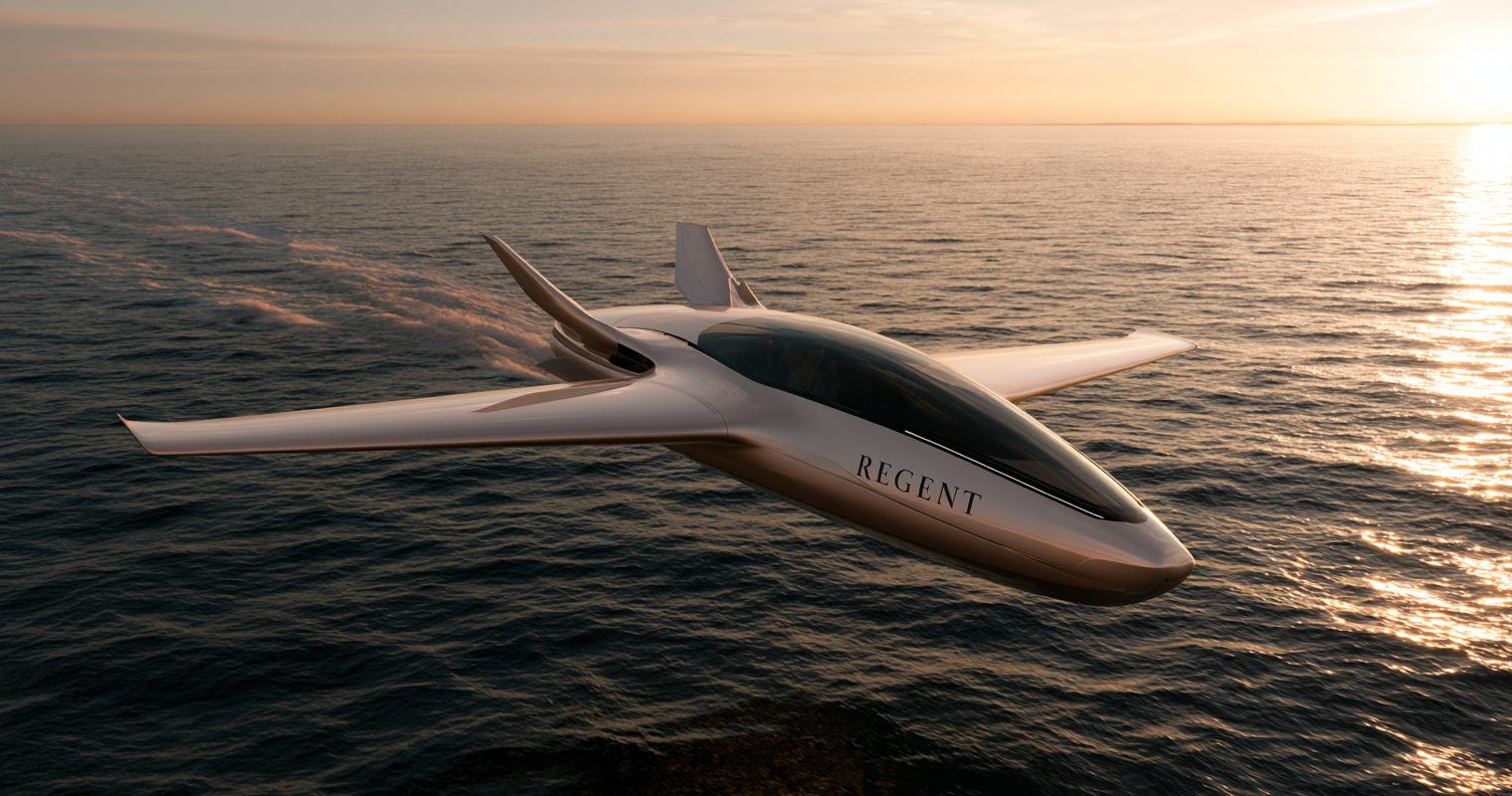
We’ve been waiting for future forms of commercial transportation for decades, and finally that time has come.
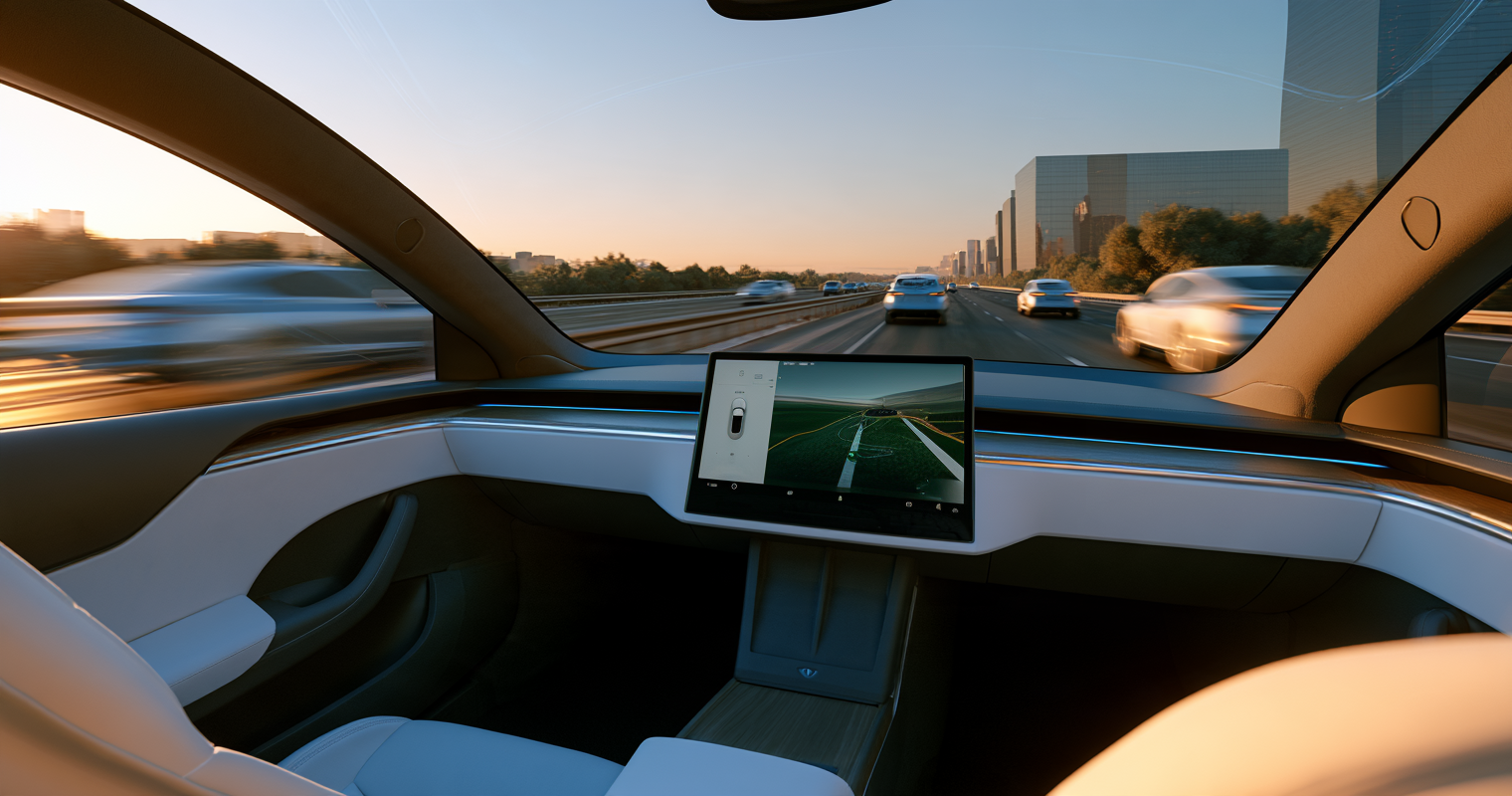
It’s now very clear that Tesla and the NHTSA have been working closely together…