




SpaceX to Launch a Mobile Network in the U.S.
Starlink Mobile is coming, and it can’t arrive soon enough.



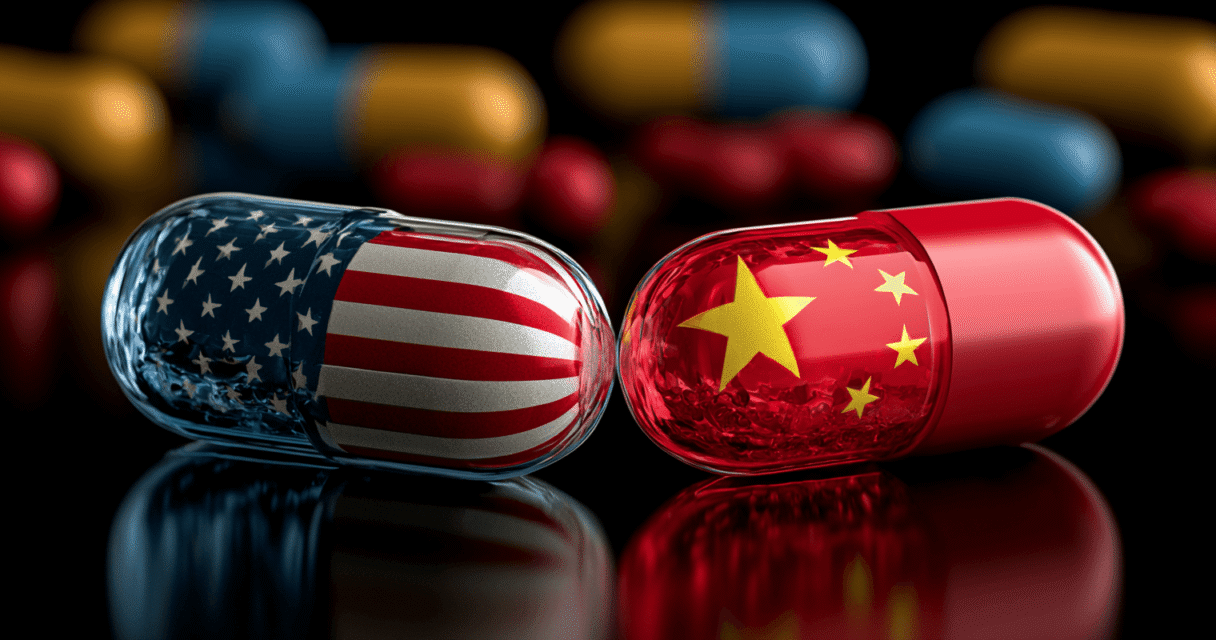
China recently made biotechnology history by becoming the first country to approve a CAR-T therapy for a solid tumor.
Managing Editor’s Note: Today, we’re handing the reins over to Brownstone’s senior biotechnology analyst, Feruz Kurbanov.
Some readers may know Feruz as the senior analyst over at our Early Stage Trader biotech trading advisory.
And today, you’ll hear from him about a China-based biopharmaceutical company that has recently reached a major milestone in CAR T-cell therapies… how the United States’ biotech industry fits into the story… and what it all means for the global biotechnology industry.
It may sound like just another drug approval, but many scientists see it as a major milestone…
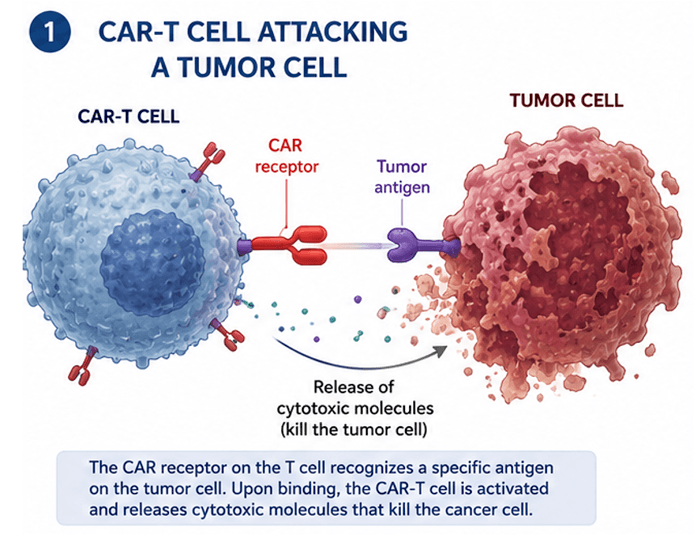
China recently made biotechnology history by becoming the first country to approve a chimeric antigen receptor T-cell (CAR-T) therapy for a solid tumor.
The treatment, developed by Shanghai-based CARsgen Therapeutics (2171.HK), is designed for patients with advanced stomach cancer whose disease has stopped responding to standard treatments.
For more than a decade, CAR-T therapies have transformed the treatment of blood cancers such as leukemia and lymphoma. However, making CAR-T work against solid tumors has proven far more difficult.
Scientists had to solve problems such as finding the right target on cancer cells, helping immune cells reach tumors, and overcoming the tumor’s natural defenses. China’s approval shows that these obstacles can be overcome.
Some people may assume China reached this milestone simply because its regulators have lower standards. The reality is much more complex.
Over the past decade, China has made biotechnology a national priority.
It has invested heavily in research, manufacturing, hospitals, and clinical trial infrastructure. China also has a large number of patients with stomach cancer, allowing companies to complete clinical trials more quickly than is often possible in other countries.
Combined with strong scientific research and better infrastructure, these advantages helped Chinese scientists reach this important milestone.
Now, this does not necessarily mean the United States is falling behind in scientific innovation.
American researchers remain global leaders in developing CAR-T therapies, gene editing, RNA medicines, and many other advanced technologies. Many U.S. companies are working on next-generation treatments for solid tumors.
The difference is that the U.S. regulatory system has traditionally required extensive evidence before approving entirely new types of therapies.
That careful approach has helped maintain high safety standards, but it can also make the approval process longer, especially for complex treatments like cell therapies.
This story becomes even more meaningful when viewed alongside the recent changes taking place at the U.S. Food and Drug Administration (FDA)…
During the past six months, the FDA has gone through one of the biggest leadership transitions in its biologics division in many years. Peter Marks, who played a major role in advancing gene therapies, left the agency.
New leadership introduced a more cautious approach to evaluating advanced medicines. More recently, Vijay Kumar stepped down from his leadership position in the Office of Therapeutic Products, the division responsible for reviewing gene and cell therapies.
Taken together, these leadership changes suggest the FDA is going through a broader organizational transformation rather than simply replacing individual leaders.
The agency is preparing for a future in which many more advanced medicines – including gene therapies, CAR-T treatments, CRISPR gene editing, and RNA-based medicines – will reach late-stage clinical trials and seek approval.
To keep pace, the FDA will need review systems that remain scientifically rigorous while also becoming more efficient and predictable for both patients and biotechnology companies.
China’s approval may also influence future regulatory discussions around the world. The FDA will not approve a medicine simply because another country already has.
However, every first approval provides valuable real-world experience. As patients receive the therapy, doctors and regulators collect additional information about safety, manufacturing, and long-term outcomes.
That growing body of evidence can help inform future regulatory decisions and increase confidence as similar treatments are reviewed in other countries.
The bigger picture extends well beyond a single cancer treatment.

Biden’s smell hadn’t even left the Oval Office yet… And Trump got to work immediately on the most secretive government operation since the Manhattan Project. While the world was distracted by tariffs, Trump redacted over 750 government files. Because Trump saw the writing on the wall: These files were about to destroy everything we love about America. Click here to see what’s inside the “Redacted Trump Files” before the world finds out the shocking truth.

In 2020, Larry Benedict told CNBC the market was about to fall. Few believed him. Within weeks, markets dropped 34% but his readers had the chance to make 62%. In 2022, he predicted the worst market in a generation. He went 11-for-11. One trade returned 117% in under a month. Now he's speaking out again… and he says what's coming makes both of those look like a warm-up. Click here to hear his new prediction and get his #1 ticker free.
For many years, the United States led nearly every major breakthrough in biotechnology, with new medicines often reaching American patients before becoming available elsewhere.
Today, that landscape is becoming more competitive. China’s biotechnology companies are producing innovative science, completing high-quality clinical trials, winning important regulatory approvals, and increasingly partnering with large global pharmaceutical companies.
This reflects a significant shift in the global biotechnology industry rather than an isolated success story.
When all these developments are connected, a much larger trend begins to emerge.
China is establishing itself as a serious source of biomedical innovation, while the FDA is modernizing its leadership and regulatory structure to prepare for a new generation of advanced therapies.
These are not unrelated events. They are two parts of the same global transformation that is reshaping the future of medicine.
Ultimately, this growing competition between the United States and China could benefit everyone.
Both countries are investing heavily in technologies such as gene therapy, cell therapy, gene editing, and artificial intelligence to develop better medicines. Healthy competition often drives faster innovation, greater investment, and more treatment options for patients.
While the race to develop tomorrow’s medicines is becoming increasingly global, the biggest winners may ultimately be the millions of patients who gain access to life-changing therapies that once seemed impossible.
For investors, these developments may represent something even bigger than a single medical breakthrough. They signal the beginning of a new investment cycle for biotechnology.
During the past several years, the industry experienced one of its most difficult periods in decades. Rising interest rates, limited venture funding, weak initial public offerings (IPOs) environment, and fewer mergers and acquisitions created what many investors called a “biotech winter.” Many promising companies struggled to raise capital, and stock prices across the sector declined sharply.
Over the past year, however, the environment has started to change. Biotechnology IPOs are gradually returning after several quiet years. Large pharmaceutical companies have resumed acquiring innovative biotechnology firms and signing multibillion-dollar licensing agreements to strengthen their future pipelines. Venture capital funding has begun to improve, while artificial intelligence is helping researchers discover and develop medicines faster than ever before.
At the same time, regulators such as the FDA are reorganizing to prepare for a future in which gene therapies, cell therapies, gene editing, and RNA medicines become a much larger part of everyday healthcare.
China’s rapid progress, highlighted by the world’s first approved CAR-T therapy for a solid tumor, adds another powerful source of innovation that is accelerating competition across the industry.
When these trends are viewed together, they resemble the early stages of previous technology revolutions.
During the early days of the internet, few people realized how dramatically digital technology would transform nearly every industry. We’re seeing something similar play out with artificial intelligence (AI). The rapid rise of AI has created entirely new companies, attracted enormous investment, and reshaped the competitive landscape across technology.
Biotechnology now appears to be entering a similar period.
Advances in artificial intelligence, genetic engineering, precision medicine, and advanced manufacturing are converging at the same time, creating opportunities that would have been difficult to imagine a decade ago.
Of course, biotechnology remains one of the most challenging industries for investors. Clinical trials can fail, regulatory reviews can take unexpected turns, and even promising companies can experience setbacks.
Success will not come from simply buying every biotechnology stock.
Instead, long-term winners are likely to be the companies with innovative science, experienced management teams, strong financial resources, and clear paths toward commercialization. As always, careful research and patience remain essential.
Looking ahead, the biggest opportunity may not come from a single company or a single breakthrough. It may come from recognizing that the entire biotechnology industry is entering a new chapter.
The FDA is adapting its regulatory framework for the next generation of medicines. Capital is beginning to flow back into the sector. Large pharmaceutical companies are competing aggressively to acquire promising technologies. Artificial intelligence is accelerating drug discovery, while countries such as China are emerging as major sources of innovation alongside the United States.
Together, these powerful trends are creating an environment that could drive scientific progress and investment opportunities for many years to come.
History rarely repeats itself exactly, but it often follows familiar patterns.
Every major technological revolution has gone through a period when the pieces began falling into place before the broader market fully recognized what was happening.
The internet experienced that moment. Artificial intelligence experienced that moment. Biotechnology may now be approaching its own defining period.
While no one can predict exactly which companies will become tomorrow’s leaders, the evidence clearly shows we are witnessing the beginning of a new global biotechnology race.
For investors willing to think long term, this will become one of the defining investment themes of the next decade.
Regards,
Feruz Kurbanov
Senior Biotech Analyst, Brownstone Research
Add Brownstone Research as your preferred source on Google to see our latest stories in your feed.
 Add as a preferred source
Read the latest insights from the world of high technology.
Starlink Mobile is coming, and it can’t arrive soon enough.

Most Bitcoin predictions are not about being right... They're about grabbing a headline.

The fundamental relationship between man and machine has remained largely unchanged… Humans gave machines instructions, and the machines followed...