


Will OpenAI Go Bankrupt?
In today’s AMA, we explore the true utility of full self-driving vehicles… what to do when markets crash… and...



One of the world’s most interesting biotech companies is back in the headlines again…
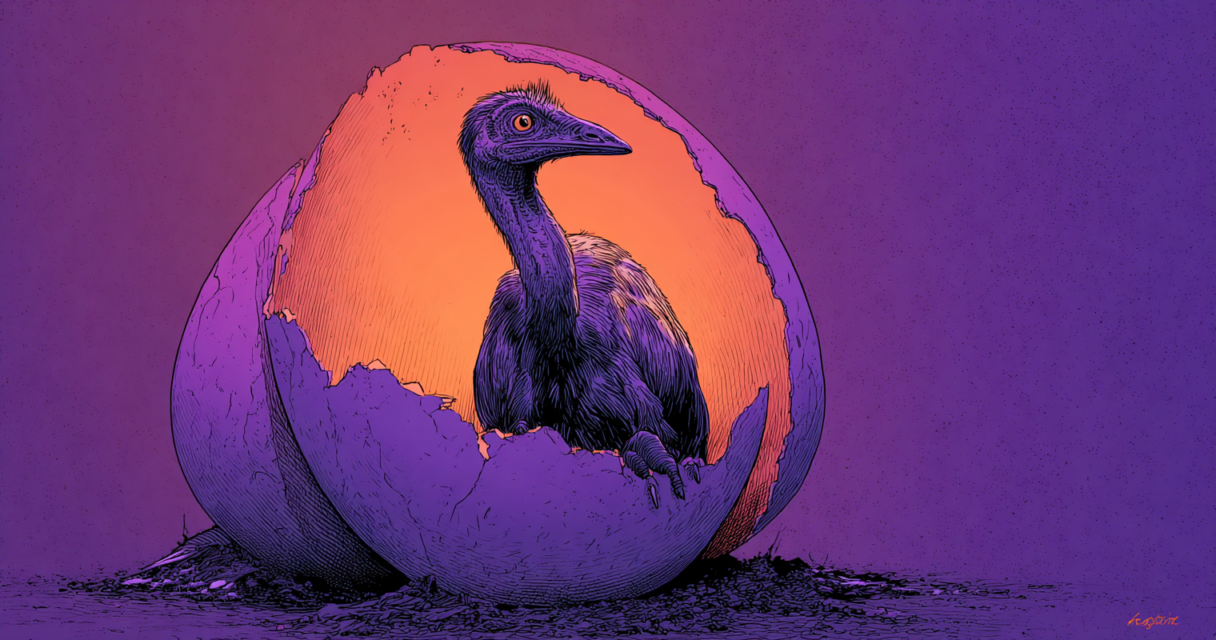
One of the world’s most interesting biotech companies is back in the headlines again…
And as is usual for this company, it is for a surprisingly odd initiative.
Since last summer, Colossal Biosciences has been on a mission to de-extinct the moa, a group of large, flightless birds that were endemic to New Zealand.
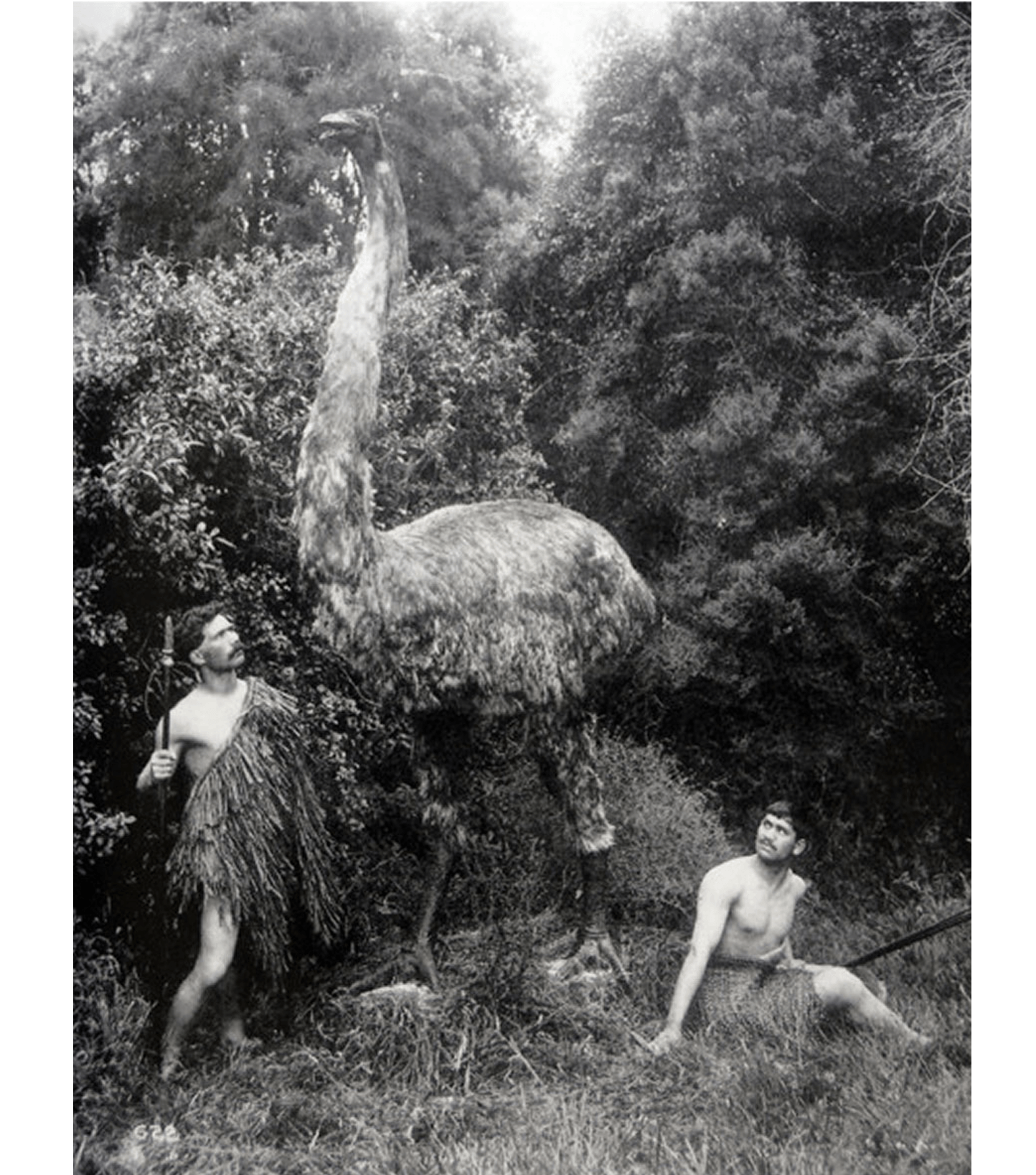
Source: Colossal Biosciences
The moa (order Dinornithiformes) was comprised of nine different species of varying sizes up to 12 feet tall and roughly 500 pounds. They were massive birds with a long lifespan of up to 50 years.
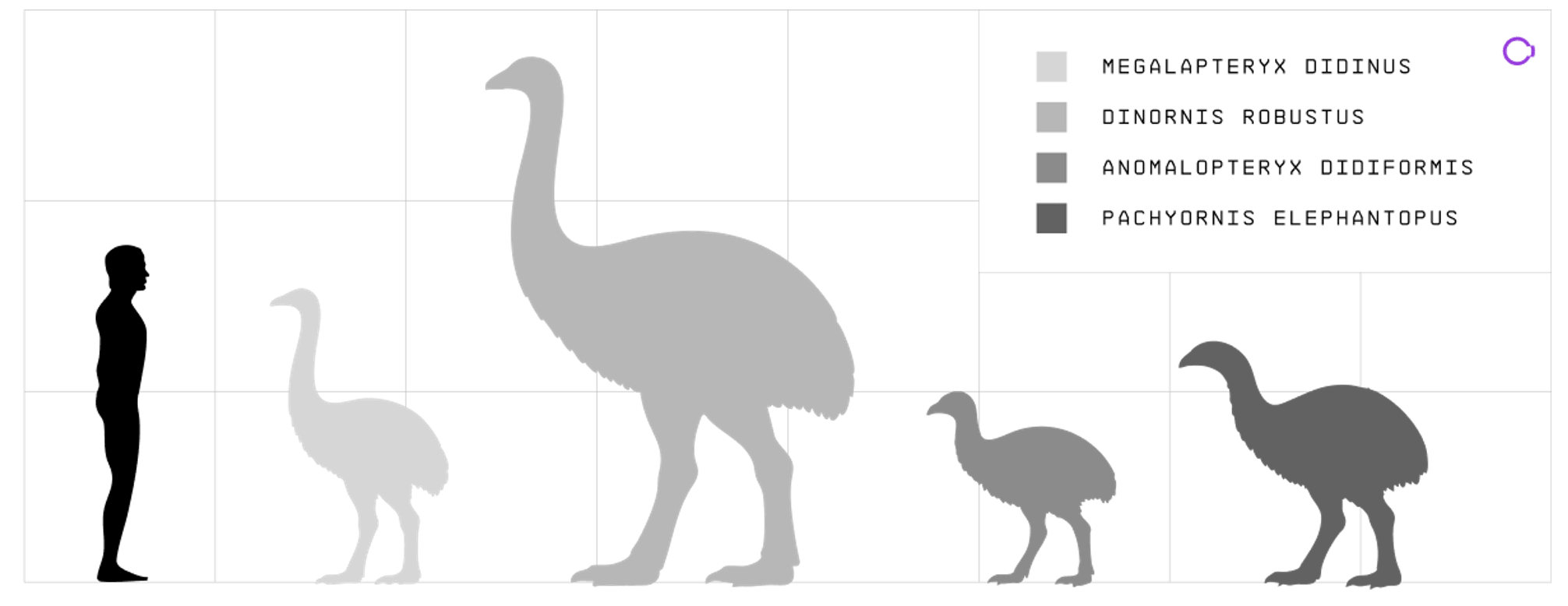
Source: Colossal Biosciences
They were also an important food source for the native Māori who hunted them to extinction about 500 years ago.
And now Colossal wants to bring the moa back to life to restore “ecological balance and cultural heritage,” a seemingly magnanimous goal. And it’s a symbolic one considering that there is so much more to this company than what it presents itself to be.
I last wrote about Colossal in May 2025 in The Bleeding Edge – A Colossal Controversy. This was when Colossal successfully brought two dire wolves back to life. It was as apt a title now as it was back then.
For many, bringing back a species from extinction is going a bit too far, messing around with creation in ways that have moral and ethical implications.
Even a Maori group, Te Tira Whakamataki, is opposed to de-extinction, noting that “de-extinction feels like a distraction from the unfinished business of protecting life in the present.”
But whatever anyone’s feelings are about de-extinction, the topic itself is just a distraction. De-extinction is just the veneer of a company positioning itself to be performing magnanimous acts to “restore ecological balance.”
Colossal is actually a for-profit genetic engineering company developing technology to assist in creating life, and potentially agriculture in ways that create immense economic value. This is what makes Colossal’s work so interesting.
The latest excitement around Colossal came from a few days ago when the company announced that it had successfully hatched 26 healthy chickens using a novel silicone-membrane synthetic shell system.
This is extremely interesting technology comprised of a semi-permeable silicone-based membrane housed inside a hexagonal support cup.
It looks like something out of a science fiction movie.
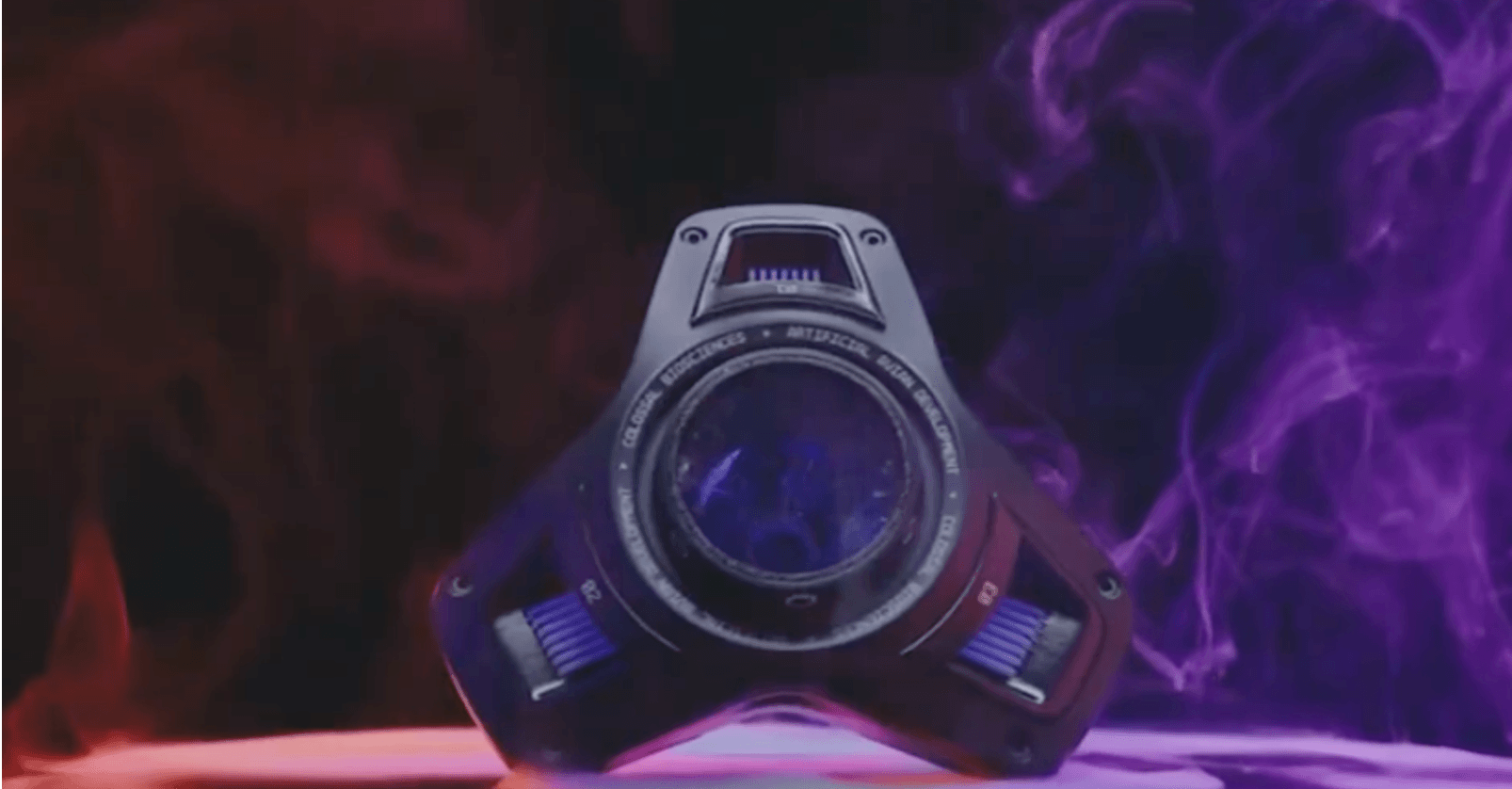
Artificial Eggshell Support Cup | Source: Colossal Biosciences
The support cup shown above is the housing for the semi-permeable silicone-based membrane, which is designed to replicate the function of an eggshell. It is capable of allowing oxygen to pass through the membrane, which is referred to as the gas-exchange function. An image of one of the membranes is shown below, containing the liquid embryo of a future bird.
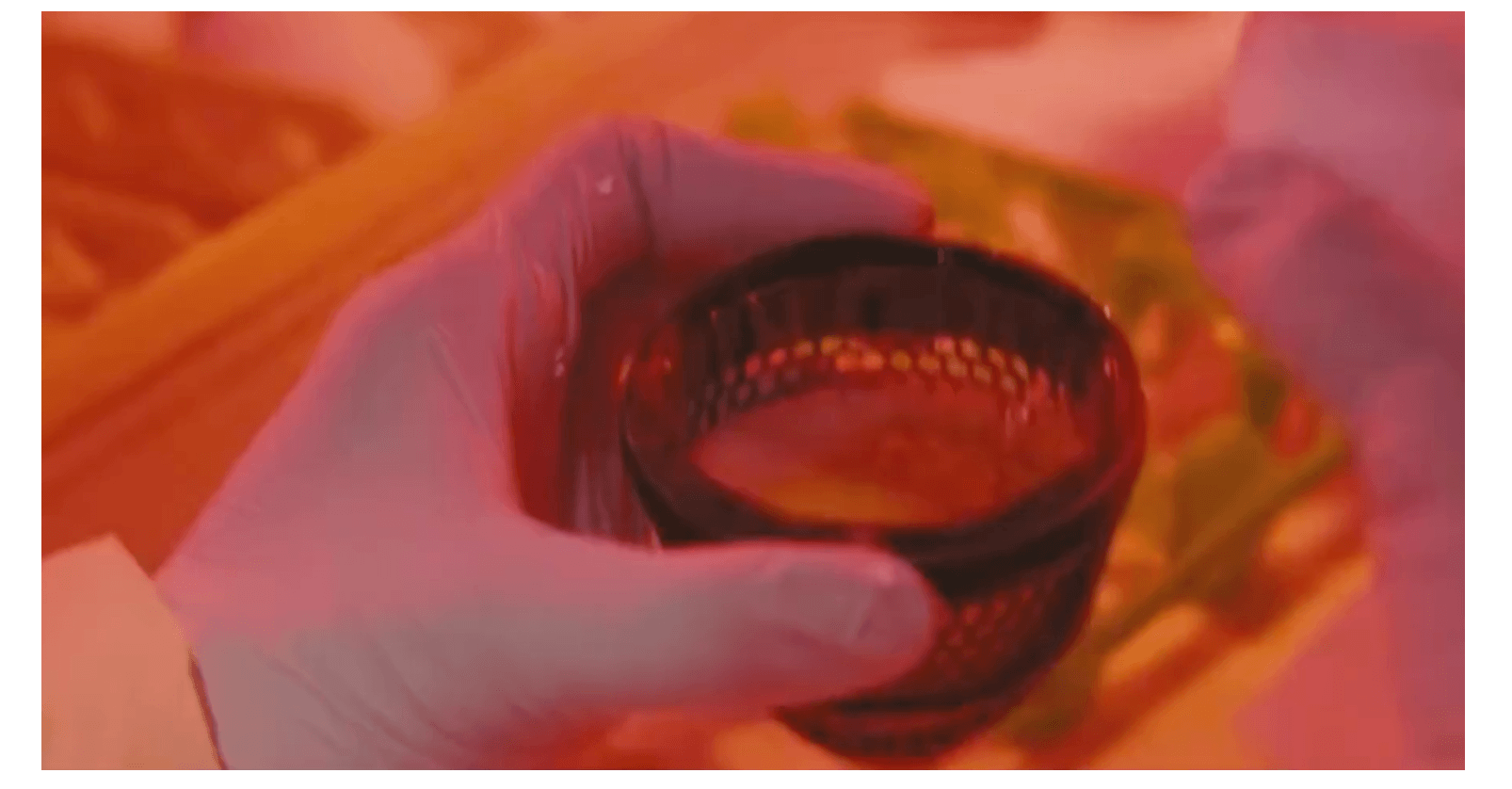
Artificial Eggshell Silicone-based Membrane | Source: Colossal Biosciences
This innovation is relevant as it overcomes the weaknesses of past approaches to hatch birds in the absence of a hen.
Surrogate eggshells were attempted in the late ‘80s, but it was difficult to retrieve intact donor shells, which meant it was nearly impossible to scale. And an earlier method tested that used plastic cups, Saran Wrap, and supplemental oxygen proved to have low hatch rates.
What Colossal is doing appears to have incredible potential in terms of both scalability and variability. And that means this announcement about successfully hatching 26 chicks using an artificial eggshell is directly related to its efforts to de-extinct not only New Zealand’s moa, but also the dodo bird of Mauritius.
This is now possible because the artificial eggshell can be designed to support embryos as small as those of hummingbirds, up to the massive soccer-ball-sized eggs of the moa.
De-extincting the moa is possible by genetically editing the germ cells from another bird to match that of moa DNA. Colossal plans on selecting a surrogate egg-producer, which will likely be using an emu or tinamou to fertilize and lay an egg. After that occurs, the contents of the egg are transferred to the artificial eggshell. This is necessary as the embryo of a moa would outgrow a surrogate egg, hence the need for a large artificial eggshell.
This is absolutely amazing research, but I’m sure some of us are asking… to what end? Colossal is developing both artificial eggshells and artificial wombs to birth life at scale. This isn’t just a science experiment. This technology is being developed with purpose for commercialization.
Yes, it could be used to de-extinct species at scale, and it could also be used for food production with birds or mammals. And I’m going to say the quiet part out loud… It can be used, in theory, to produce human beings as well.
As deeply uncomfortable as that may sound to many of us, Colossal actually has an Exogenous Development team which focuses on exogenous gestation systems.
Colossal, as a company, has a clear policy that it conducts no research on the human genome or even nonhuman primate genomes. This keeps the company outside of regulatory crosshairs. And at the same time, the company has a clear policy of licensing its technology to other companies or spinning out its technology into new entities.
What I believe is likely to happen is that Colossal will license out its artificial womb technology to a company working in human reproductive medicine.
It doesn’t take much imagination to recognize that there is a market for couples who can’t have a child for one reason or another and aren’t comfortable using a surrogate. And, like it or not, there will most certainly be a market for women who want children without the experience of childbirth. An artificial womb is a market solution.
Colossal’s de-extinction technology also applies to a recent acquisition made by the company. In November 2025, Colossal acquired ViaGen, an animal husbandry company, for an undisclosed amount. The purpose of the acquisition was focused on animal cloning, enabling the ability to clone pets for around $50,000 and potentially horses and livestock for their superior genetics.
In addition to licensing its technology, Colossal has already had success spinning out new companies with the technology it has been developing from its de-extinction efforts.
As we can see, Colossal’s veneer of being a de-extinction company is just that.
Its real business model is to incubate technologies and spin them out into other for-profit companies in which it has equity ownership and a business agreement (i.e., potential royalties), as well as develop biotechnologies that it can license out to other companies that are willing to deal with the moral, ethical, and clinical realities of bringing these technologies to market.
Whether we find this interesting and exciting or consider it as going too far, this model is working extremely well. Colossal raised $615 million last September and is now worth $10.65 billion.
There is clearly a lot of private capital that believes in Colossal’s ability to monetize its underlying technology.
Colossal will continue to get media coverage for its efforts to de-extinct the bluebuck (southern African antelope), the woolly mammoth, the dire wolf, the dodo, the moa, or the Tasmanian tiger. This is what makes for the flashy news stories.
But the real story is Colossal’s actual business, which comes in the form of bringing new companies, animals, or even human beings to life.
Jeff
Add Brownstone Research as your preferred source on Google to see our latest stories in your feed.
 Add as a preferred source
Read the latest insights from the world of high technology.
In today’s AMA, we explore the true utility of full self-driving vehicles… what to do when markets crash… and...
Only one form of transportation has felt futuristic for decades… like a mirage always on the horizon. Never close,...
We’ve been waiting for future forms of commercial transportation for decades, and finally that time has come.