



Will OpenAI Go Bankrupt?
In today’s AMA, we explore the true utility of full self-driving vehicles… what to do when markets crash… and...



This morning, SpaceX launched the 14th flight of its Super Heavy booster and Starship from its Starbase, Texas facility, marking both the first orbital flight and the first commercial flight of the Starship…
Managing Editor’s Note: The Dollar Trap is coming up quick…
On Wednesday, our colleague Larry Benedict is sitting down with Jeff for an emergency briefing where they will reveal why the U.S. dollar is in an inescapable trap that not even the president himself can stop from snapping shut.
They will also show why the winners of the AI boom could effectively lose up to 40% of their gains in the aftermath… and how you can turn this chaos into profits if you know how to tackle it.
Just go here to add your name to Larry’s guest list for this Wednesday, September 30, at 8 p.m. ET.
Today is one of those rare days that will go down in history.
Most won’t realize the importance of what happened until years later – when we all reflect on when it all began.
Today was the day.
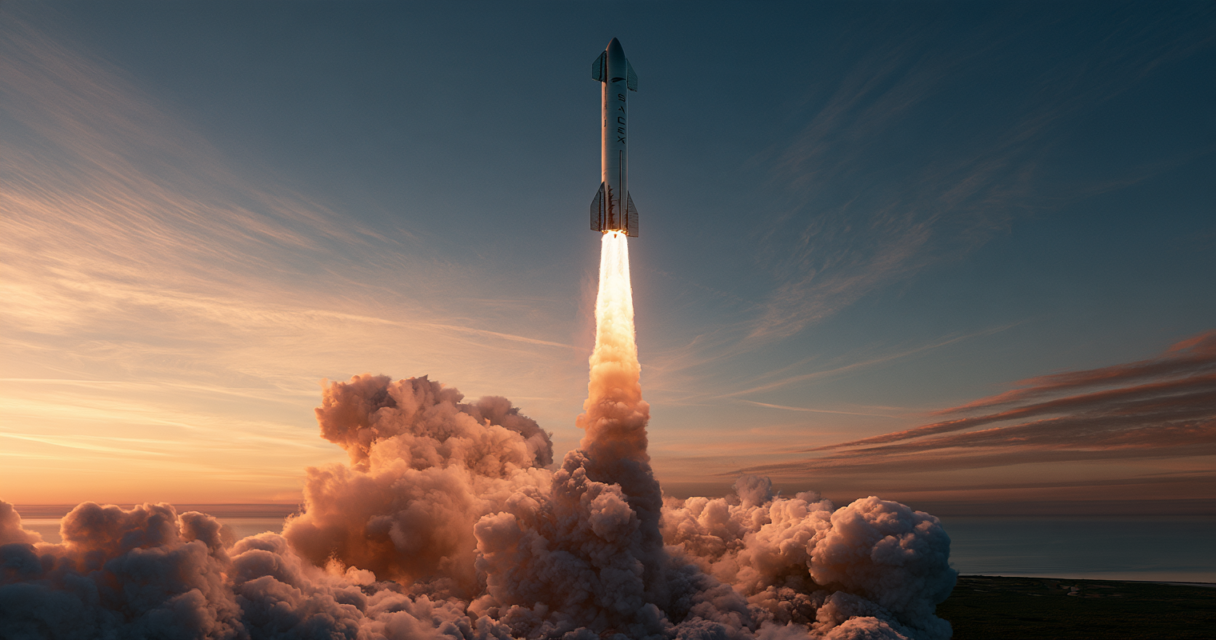
This morning, SpaceX launched the 14th flight of its Super Heavy booster and Starship from its Starbase, Texas facility, marking both the first orbital flight and the first commercial flight of the Starship.
Source: SpaceX
What follows in the next couple of years will be absolutely hard to comprehend.
This 14th launch of the Starship was not a test launch.
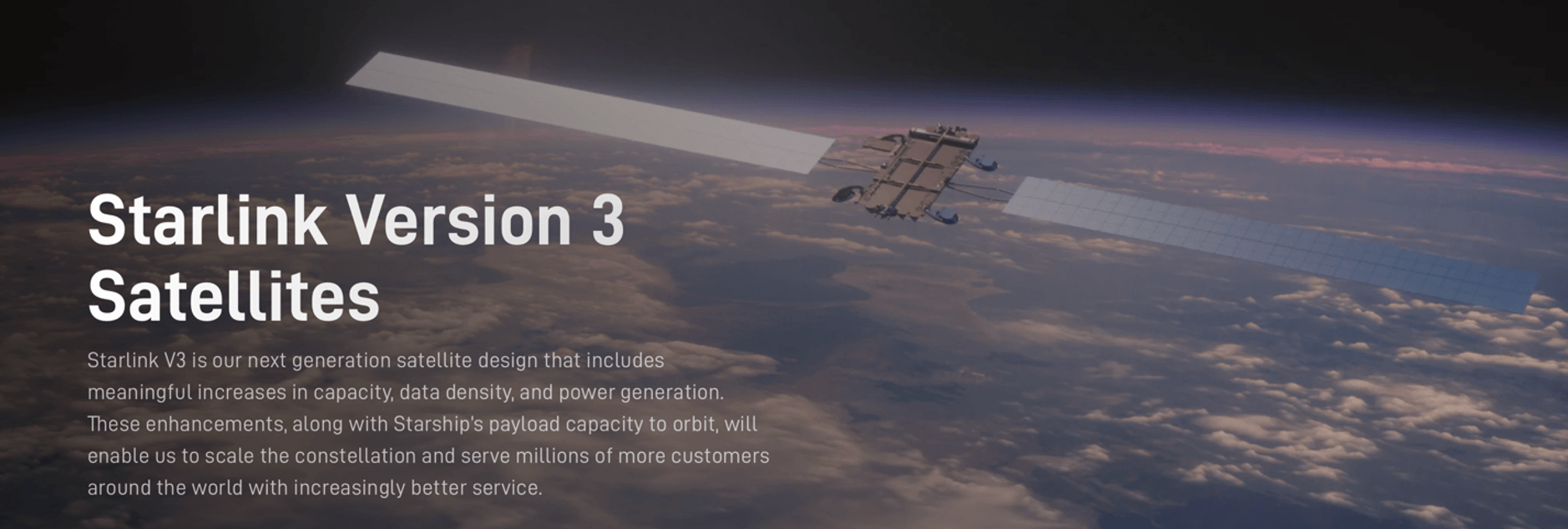
This Starship carried 26 Starlink version 3 (V3) satellites. This is what made it the first commercial flight for the Starship.
The Starlink division of SpaceX contracted SpaceX for launch services.
The significance of the Starlink V3 satellites going into commercial operation can’t be overstated.
They represent the endgame for Musk and SpaceX in building out the Starlink constellation of satellites.
Source: SpaceX
Each Starlink V3 satellite has 1 terabit per second (Tbps) downlink capacity, which is 10 times the capacity of Starlink V2 satellites.
That’s a magnitude of improvement in a single product generation.
The uplink improvement is even more impressive. V3 increased to 160 gigabits per second, a 22-times improvement over V2.
But perhaps the most impressive and telling capability of the Starlink V3 satellites is that they are equipped with six high-capacity, 400-gigabit space lasers, allowing Starlink satellites to have extremely high-throughput optical inter-satellite links, creating an in-orbit mesh network that blankets Earth.
Put simply, Starlink satellites will be able to send/receive data between each satellite at the speed of light.

The U.S. dollar is approaching the biggest disaster in over 50 years… on a deadline set by the federal government. Jeff Brown and Larry Benedict say the dollar won’t weaken. It will break. For the prepared, it could be the opportunity of a lifetime – in a market that’s delivered gains like $11,475 in 28 days. They explain everything in a free emergency broadcast this Wednesday, September 30, at 8:00 p.m. ET. Click here to reserve your seat.

The rules of retirement are changing. President Trump is opening your 401(k) to a corner of the market where the wealthy have quietly earned 12% a year. Larry Benedict is naming the one ticker to play it – free. Click here to watch.
I have long maintained that the endgame for Musk and Starlink has been to build a literal world wide web, a space-based internet backbone.
Yesterday, Musk finally said the quiet part out loud.
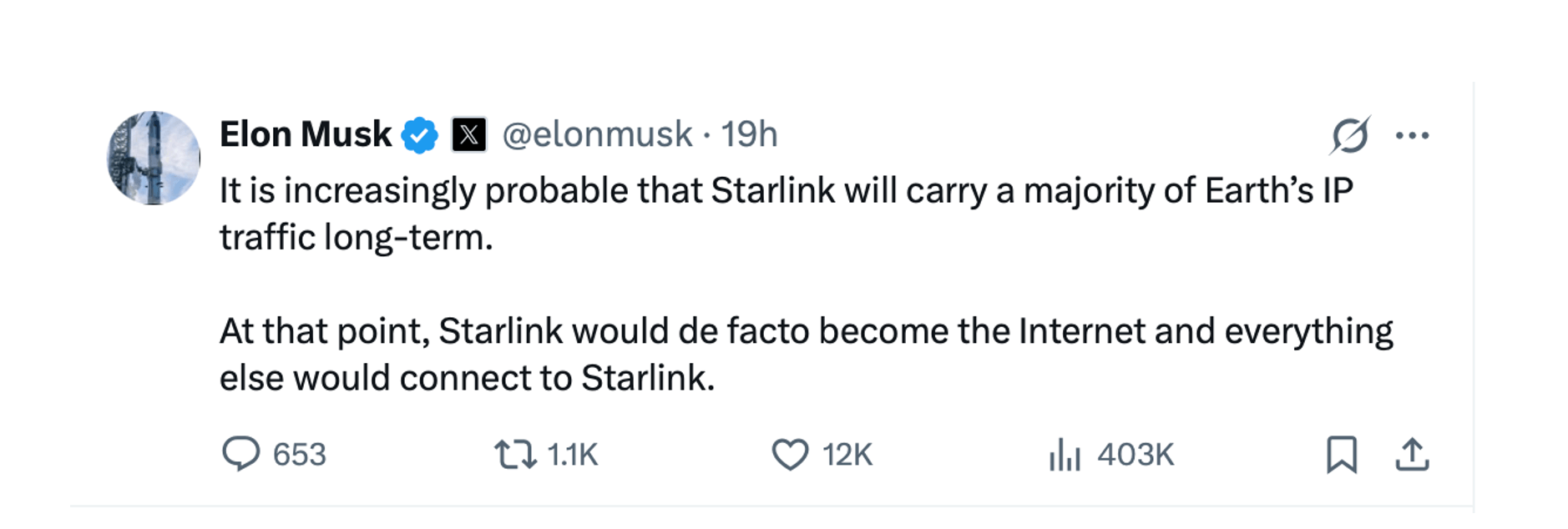
Source: X @elonmusk
Understanding this makes it easy to understand the masterplan and the significance of this next generation of Starlink satellites.
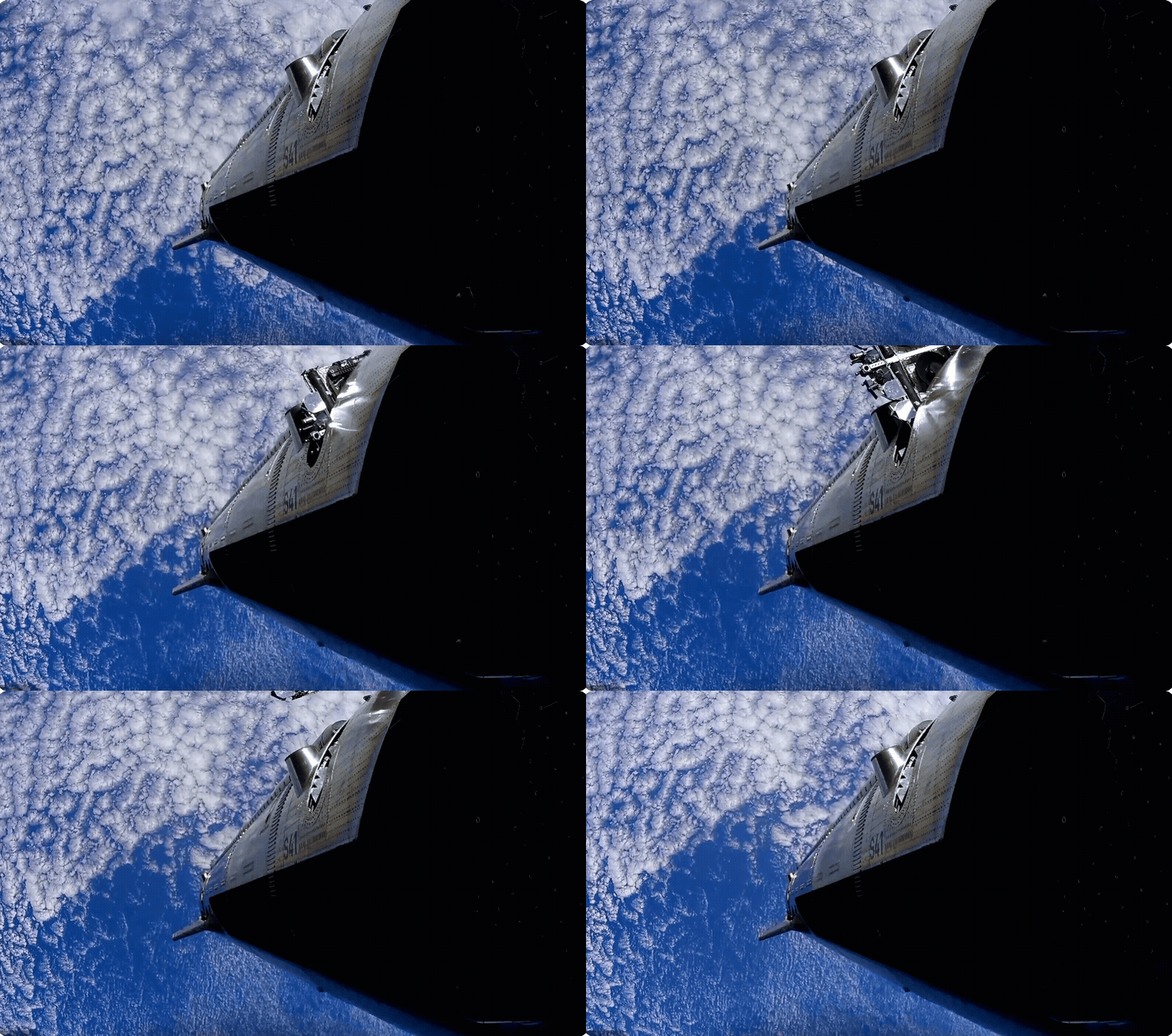
Starlink V3 Satellite Being Deployed from Starship | Source: SpaceX
In addition to the 400-gigabit-per-second optical links, Starlink increased its radio frequency backhaul throughput by eight times to 1.2 terabits per second.
The backhaul is the transmission from Starlink satellites to a ground station on Earth.
This is what enables the Starlink constellation to connect any two points in space or on Earth in milliseconds.
The redundancy that SpaceX is building into Starlink is just extraordinary.
If any one of the optical links goes down, there are five other ones to fall back on.
SpaceX intends to build out a constellation of 100,000 Starlink V3 satellites that will soon represent the largest mesh network the world has ever seen. And in parallel, it will start building out a 1 million satellite constellation of AI data center satellites.
To illustrate the significance of this launch of 26 Starlink V3 satellites in orbit, the current total network capacity of the Starlink constellation (without any V3 Starlink satellites) is about 450 terabits per second (Tbps).
This single launch of 26 Starlink V3 satellites is already about 6% of the total network capacity in a single launch.
At full capacity, a Starship can launch about 60 Starlink V3 satellites, which is 60 Terabits per second.
What this means is that with just seven fully loaded Starship launches, Starlink will be able to double the entire network capacity of the Starlink network.
In just seven launches!
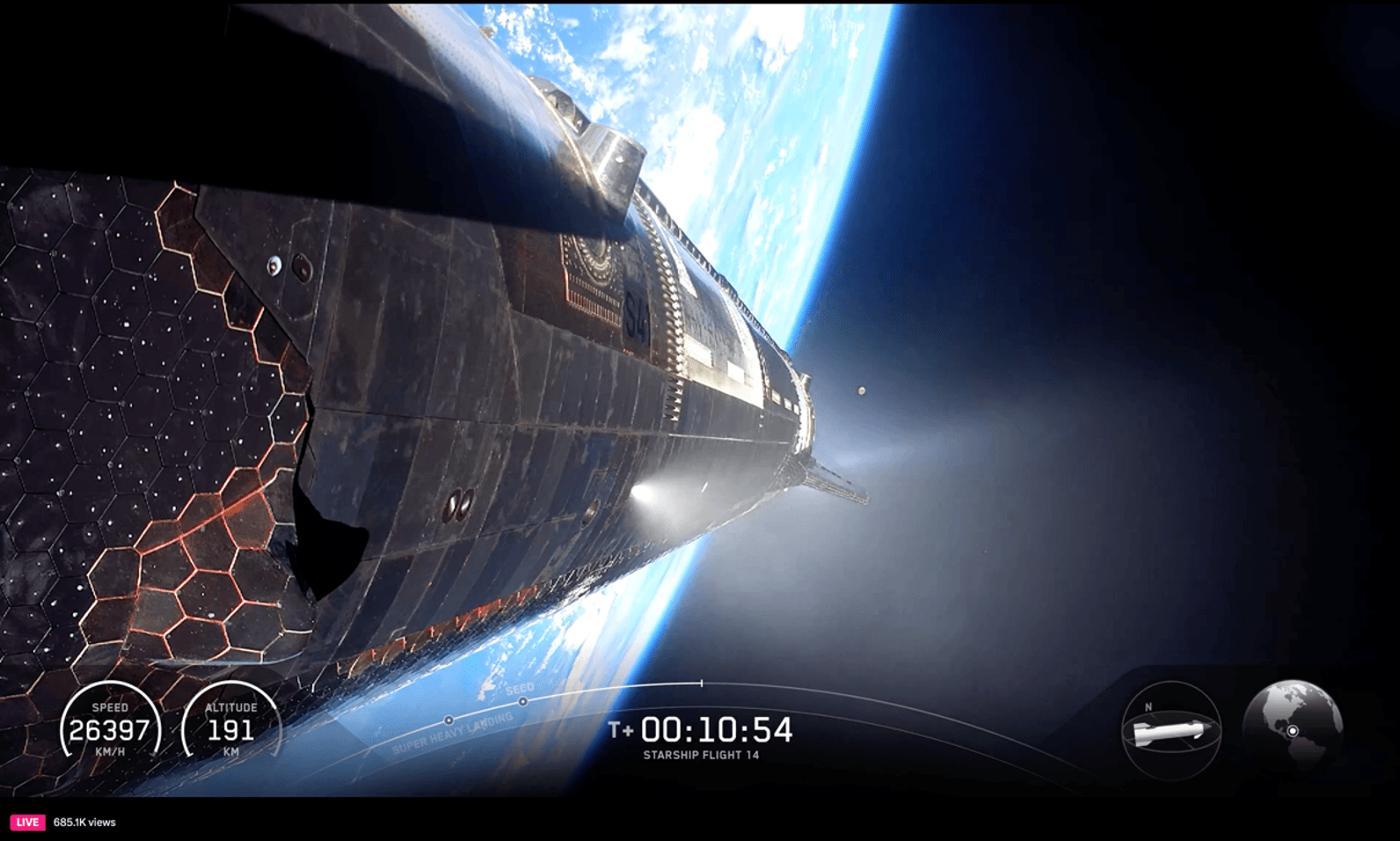
Starship Launch 14 On Orbit | Source: SpaceX
What’s happening is so much larger though…
On August 4, on the SpaceX Q2 earnings call, Musk stated on the call that in about a year from now, SpaceX would be launching at least one Starship a day, possibly more. That time will come about this time next year.
That might sound fantastical or impossible, but it’s not.
SpaceX is completing the first GigaBay factory at Starbase, Texas, which will be capable of manufacturing up to 1,000 Starships a year.
And SpaceX has already launched 108 Falcon 9 rockets this year, on track for about 145 for the full year.
That is a launch cadence of one Falcon 9 every two or three days.
Some days, SpaceX launches two Falcon 9s.
This is already happening…
SpaceX has the operational capability, the manufacturing capability, and as of today it has demonstrated the engineering capability of launching the first Starship to orbit.
And here’s the real story…
The Starship is what will collapse the cost of launching payloads into space by another 95% compared to the Falcon 9.
It is the key to opening up space to a vibrant new economy, and, of course, enabling the establishment of both a lunar outpost and a colony on Mars.
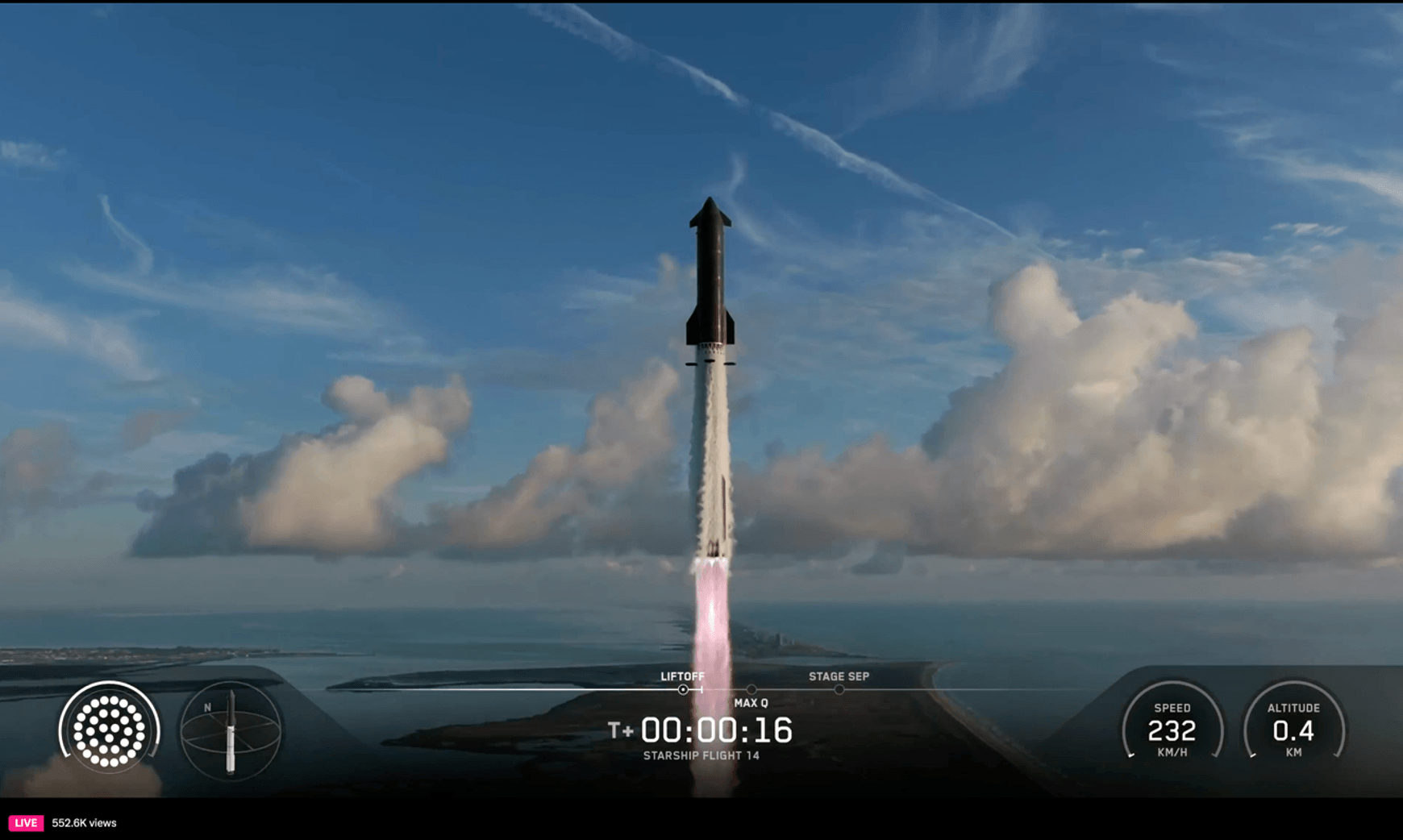
Liftoff!
Jeff
Add Brownstone Research as your preferred source on Google to see our latest stories in your feed.
 Add as a preferred source
Read the latest insights from the world of high technology.
In today’s AMA, we explore the true utility of full self-driving vehicles… what to do when markets crash… and...
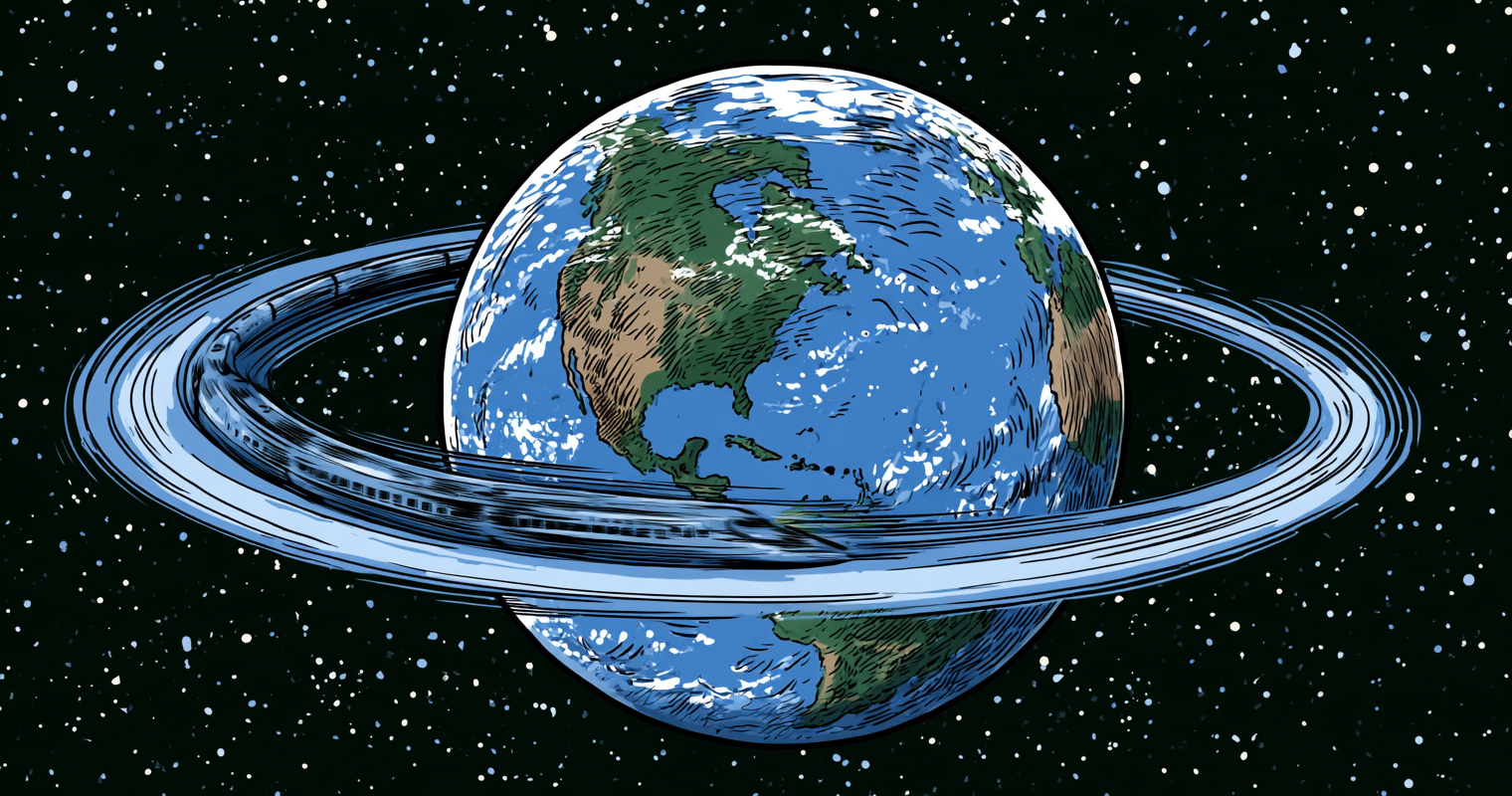
Only one form of transportation has felt futuristic for decades… like a mirage always on the horizon. Never close,...
We’ve been waiting for future forms of commercial transportation for decades, and finally that time has come.